
blank" rel="noopener noreferrer">Royale Funky Junque is not a hip hop artist or music industry figure. It is a crafting, DIY, and home-decor brand founded by Kathy DiDomenico, built around refurbishing second-hand items into decorative art and home goods. There is no verifiable music catalog, streaming profile, record deal, or publishing income attached to this name. Because there is no verified music catalog or streaming record for Royale Funky Junque, any "funk tribu net worth" estimate would be speculative and should not be treated as a music-industry figure. Because of that, applying a hip-hop-style net worth framework here requires being upfront: any estimate of Kathy DiDomenico's personal net worth tied to Royale Funky Junque is based entirely on e-commerce, content creation, and small-business signals, not music royalties or label advances.
Royale Funky Junque Net Worth: Estimate and Income Breakdown

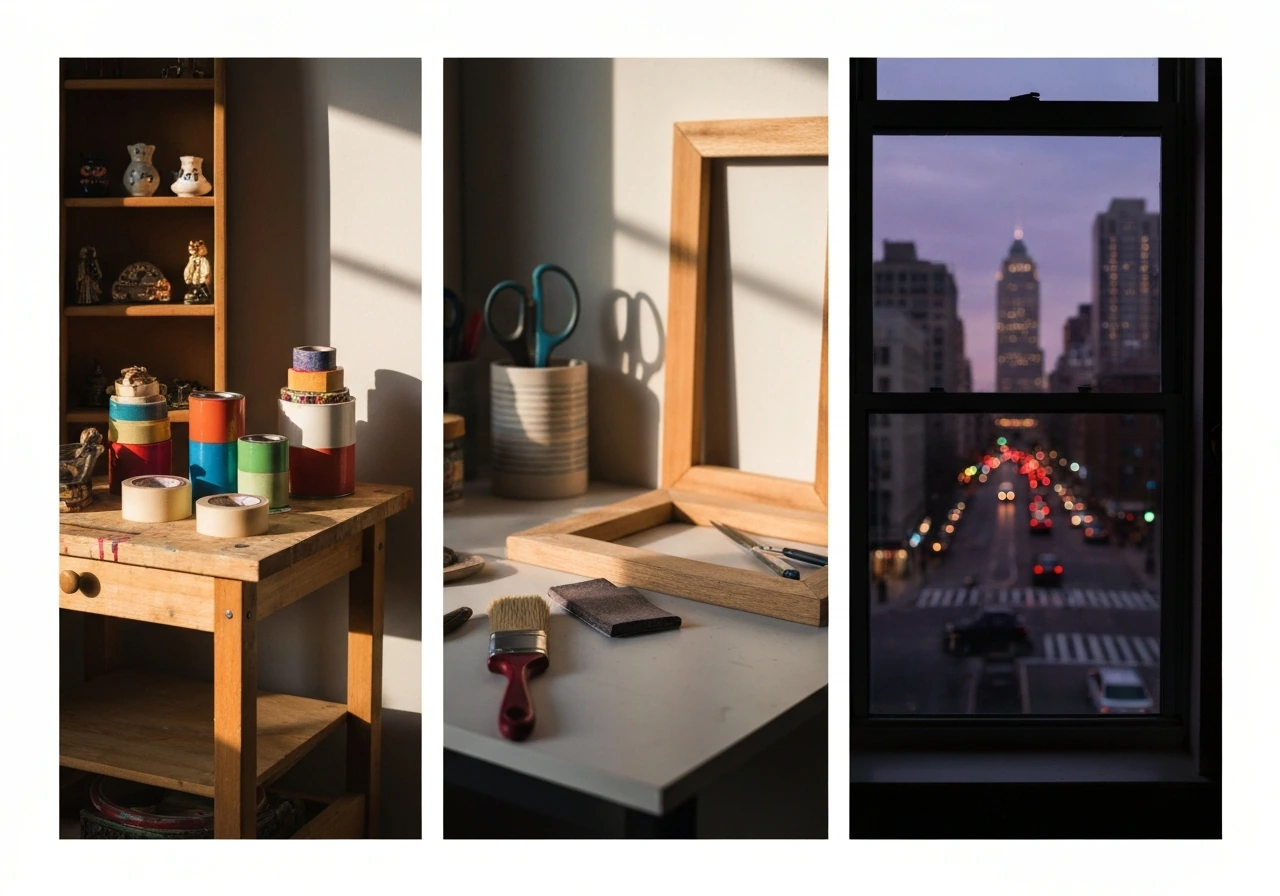
Who Royale Funky Junque Is

Royale Funky Junque is a DIY and home-decor brand created by Kathy DiDomenico. The brand operates primarily through a Shopify storefront (shopfunkyjunque.com), a blog featuring DIY tutorials like the 'Rocking Horse Makeover DIY,' and an active social media presence across Facebook, Instagram, YouTube, TikTok, and Pinterest, all linked through a Linktree profile. The Linktree for Royale Funky Junque links to major social platforms like Facebook, Instagram, YouTube, TikTok, and Pinterest, plus a shop or merch area. Kathy has been featured on podcasts, including the Creatives On Fire podcast episode titled 'Winning on Facebook with Kathy DiDomenico,' where she discussed how she built the brand around upcycling second-hand items into art and décor. The brand sells products including apparel (sweatshirts at $33.00, t-shirts at $23.00) and specialty items like 'The Binky Bowl' priced at $29.99.
It is worth being direct about what blank" rel="noopener noreferrer">Royale Funky Junque is not. Despite the word 'funky' in the name, there is no music connection here. A search across music-industry databases including ASCAP, BMI, MusicBrainz, and SoundExchange returns no results for 'Royale Funky Junque' as a recording artist or publisher. If you landed here looking for a rapper or funk musician by this name, that person does not appear to have a documented public profile in the music industry as of June 2026. The brand is squarely in the crafts and content-creation space, which puts it in a very different wealth-building lane than artists like Funkmaster Flex or Sir Mix-a-Lot. Sir Mix-a-Lot is a real hip-hop artist, but his net worth should be estimated using music royalties, publishing, and touring rather than a small DIY brand framework artists like Funkmaster Flex or Sir Mix-a-Lot.
What 'Net Worth' Means in This Context
Net worth, in any estimation context, means total assets minus total liabilities. For a public music artist, you can triangulate that using streaming royalty data, publishing rights valuations, concert grosses, label advances, and documented business ventures. For a small-business content creator like Royale Funky Junque, the inputs are different: e-commerce revenue, social media monetization, affiliate income, product margins, and any real estate or personal assets. None of these figures are publicly filed or disclosed. What we can do is apply industry-standard assumptions based on the visible signals: platform presence, product pricing, estimated audience size, and documented business activity. The result is always a range, not a certified number, and it carries more uncertainty than a major label artist whose tour grosses and streaming counts are tracked by Billboard and Luminate.
The Most Defensible Net Worth Estimate
Based on available signals, a reasonable estimated net worth range for Kathy DiDomenico through the Royale Funky Junque brand is $50,000 to $300,000 as of June 2026. If you are also wondering about vanilla funk net worth, it helps to understand whether the figures are tied to a music persona or a separate business. The best-supported figure sits closer to the lower-to-middle part of that range, around $100,000 to $150,000. Here is why that range is defensible and why it does not go higher without more evidence.
Royale Funky Junque operates at the scale of a small independent creative business. The Shopify store sells individual products in the $23 to $34 price range, which is standard for branded apparel in the DIY/craft influencer space. Without knowing unit sales volumes, average order values, or monthly revenue, it is impossible to pin down a precise figure. Social platforms like TikTok and YouTube can generate monetization income, but for a niche DIY creator without verified viral reach or documented sponsorship deals, that income is likely supplemental rather than a primary wealth driver. The upper bound of $300,000 would require consistent e-commerce volume, meaningful affiliate income, and accumulated savings over several years of operation. The lower bound of $50,000 reflects a scenario where the brand is primarily a passion project generating modest side income.
Where the Income Actually Comes From
Unlike a hip-hop artist whose income splits across streaming, publishing, touring, and merch in relatively predictable percentages, Royale Funky Junque's revenue stack looks more like a typical indie creator-entrepreneur. Here are the most likely income sources:
- E-commerce product sales: The Shopify store is the most direct revenue channel. Products like The Binky Bowl ($29.99) and branded apparel ($23 to $33) generate revenue on each sale, though margins depend on production costs and supplier relationships.
- Content monetization: Active presence on TikTok, YouTube, Instagram, and Facebook creates pathways for platform ad revenue. YouTube's Partner Program and TikTok's Creator Fund pay out based on view counts and engagement, though rates are modest at smaller audience sizes.
- Affiliate and partnership links: The Linktree setup, which points to the shop and social platforms, is consistent with affiliate marketing structures common in the DIY and home-decor content space. Brands like paint, furniture, and craft supply companies routinely pay creators commissions for referral traffic.
- Sponsorships and brand deals: Podcast appearances and a multi-platform social presence make Royale Funky Junque an attractive partner for small-to-mid-size craft and home-decor brands. Deal values at this creator scale typically range from a few hundred to a few thousand dollars per placement.
- DIY workshops or digital products: Many creators in this niche expand into paid tutorials, pattern downloads, or online courses. There is no publicly confirmed evidence of this for Royale Funky Junque, but it is a common revenue extension in the category.
- Physical product resale and upcycling: The core brand identity is refurbishing second-hand items, which could generate direct sale income from individual pieces, though this is not a scalable high-margin business on its own.
Notably absent from this picture are the income streams that drive wealth for documented hip-hop figures: no performance royalties, no publishing catalog, no record label revenue share, no touring income, and no music sync licensing. If you are searching for funk bros net worth, it helps to separate music-industry income drivers from indie brand revenue like Royale Funky Junque income streams that drive wealth. That distinction matters enormously when comparing wealth trajectories. A single mid-tier rap catalog can generate more passive income annually than a small e-commerce brand generates in total revenue.
Spending, Assets, and What We Can and Cannot Verify
There are no publicly documented assets tied to Royale Funky Junque or Kathy DiDomenico: no property records surfaced in the research, no vehicle or luxury purchases mentioned in interviews, and no investment or business ownership filings that are publicly accessible. The podcast appearance on Creatives On Fire focused on marketing strategy, specifically Facebook growth tactics, rather than personal finances or lifestyle. That is actually a useful signal: creators who discuss strategy rather than flash are typically operating at the level of a sustainable small business rather than a high-net-worth individual.
What we can observe is that the brand has maintained a multi-platform presence long enough to build a Linktree with meaningful social links, operate a live Shopify storefront, and attract podcast interview opportunities. That kind of sustained operation suggests the brand is at minimum covering its own costs and likely generating some profit. If you are also looking for funky moves cones net worth, the same approach applies: focus on verifiable revenue streams and be cautious with assumptions. Liabilities are unknown: inventory costs, platform fees, advertising spend, and any business debt are not disclosed publicly.
How the Wealth Trajectory Has Likely Evolved
Most DIY and craft creator brands follow a similar financial arc. Early years involve low revenue, high time investment, and building an audience without significant monetization. As the audience grows, e-commerce and affiliate income pick up. Podcast appearances and cross-platform growth, like the kind Royale Funky Junque has pursued through Facebook and TikTok, typically signal a brand moving from the hobby phase into the small-business phase. Based on the publicly visible signals, Royale Funky Junque appears to be in a sustained mid-stage of that journey: operating a real storefront, generating some content income, and building brand equity, but not yet at the scale of a fully commercialized creator brand.
| Career Phase | Likely Revenue Focus | Estimated Wealth Impact |
|---|---|---|
| Early Brand Building | DIY content, audience growth, minimal sales | Minimal to flat net worth contribution |
| Mid-Stage Growth | E-commerce, affiliate links, podcast visibility, social monetization | Modest accumulation, $50K–$150K range |
| Scaled Creator Business (hypothetical) | Sponsorships, digital products, wholesale, brand partnerships | Could push toward $300K+ if achieved |
Compare this to music-side creators in the same 'funky' adjacent space: an artist with even a modest streaming catalog and active performance schedule can accumulate wealth faster due to the compounding nature of publishing rights and royalty income. The DIY creator path is slower to compound but also lower in financial risk, since it does not depend on label advances, tour logistics, or algorithmic playlist placement.
How to Verify or Update This Estimate Yourself
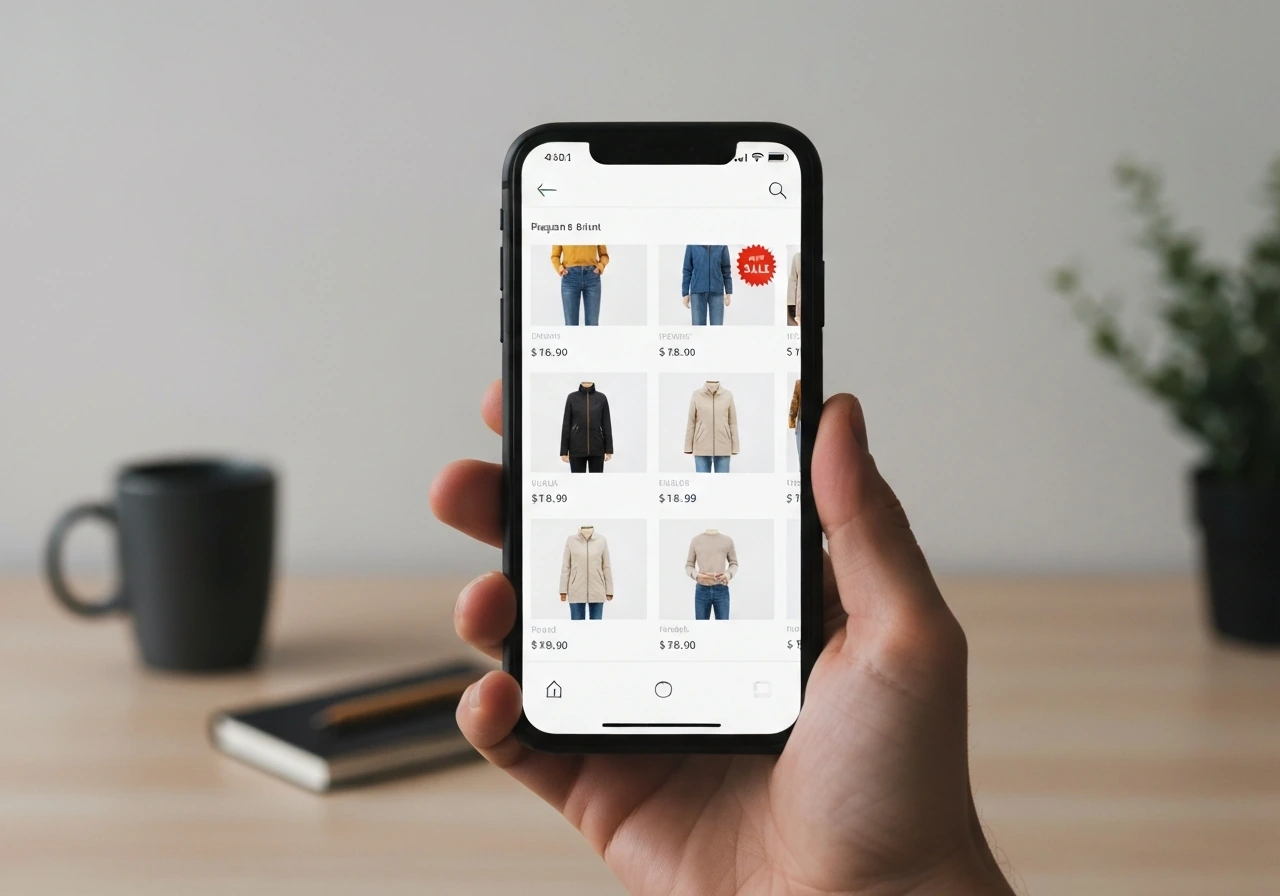
If you want to check or refine this estimate over time, here is a practical approach:
- Check the Shopify store directly at shopfunkyjunque.com. Product count, pricing, and sale activity (like 'Sold Out' labels or active discount codes) give clues about revenue volume and inventory turnover.
- Look up the brand's social media metrics on platforms like Social Blade or TikTok's native analytics (if publicly visible). Follower counts and engagement rates help estimate monetization potential on content platforms.
- Search for recent interviews, podcast episodes, or press mentions. Kathy DiDomenico's Creatives On Fire appearance is one public data point; more recent interviews might include revenue figures or business milestones.
- Check for any business entity filings in her state of operation. Depending on how the business is structured (sole proprietor vs. LLC), some states make basic filing information publicly accessible.
- Use tools like SimilarWeb or Ahrefs to estimate website traffic on shopfunkyjunque.com. Traffic volume multiplied by average e-commerce conversion rates and average order value gives a rough revenue range.
- Be skeptical of any net worth figures that appear on celebrity net worth aggregator sites without sourcing. These sites frequently guess based on Google search volume rather than actual financial data, and for small-business creators, they are almost always unreliable.
The most common red flag in net worth reporting for creators at this level is inflated figures based on assumed income from social media alone. Platform monetization for most mid-tier creators is far lower than the public assumes. A creator with 50,000 TikTok followers might earn $50 to $200 per month from the TikTok Creator Fund, not thousands. E-commerce and brand deals are where real income is built, and those numbers are private.
Bottom line: Royale Funky Junque is a legitimate DIY and home-decor brand with real e-commerce operations and a multi-platform content presence, but it is not a music entity, and net worth estimates for it should be evaluated through a small creative business lens, not a hip-hop wealth lens. If you meant a different figure like Funkmaster Flex, his net worth should be researched separately from Royale Funky Junque's business profile hip-hop wealth lens. If a future version of this search turns up a music artist using this name, that would require a completely different analysis starting from scratch with music-industry databases.
FAQ
How can I tell if “Royale Funky Junque” is a music persona rather than a DIY brand when doing net worth research?
Check for consistent artist metadata, like a recording-artist page with releases, label credits, or performance listings under the exact name. If the presence is primarily a storefront plus DIY content (tutorial posts, craft product drops, and brand links), it is far more likely a business brand than a music catalog, which changes what income sources you should include.
Why would a “net worth” figure differ from the amount the brand earns each year?
Net worth is assets minus liabilities, so even if annual revenue is decent, profit after costs (inventory, shipping, ad spend, app fees, and returns) determines what can be saved and reinvested. A brand can have strong sales yet modest net worth if margins are thin or if reinvestment and debt are high.
Can Shopify or social metrics be converted into an estimated net worth number reliably?
Not reliably without at least one financial anchor such as monthly revenue, average order value, or unit sales. Social follower counts usually do not translate cleanly into income because monetization varies by niche, audience location, engagement rate, and whether posts are sponsored or purely organic.
What would make the $50,000 to $300,000 range move higher or lower?
The main drivers would be sustained e-commerce volume (orders per month), gross margin improvements (lower product and fulfillment costs), and evidence of recurring revenue beyond one-off sales (subscriptions, digital downloads, or brand partnerships). The range would move lower if the brand is mostly hobby-scale with irregular product drops, or higher if there is consistent high-volume selling and documented sponsorship or affiliate performance.
Are podcast appearances evidence of high net worth for Kathy DiDomenico?
Podcast interviews mainly show credibility and marketing strategy, not personal finances. They can correlate with maturity of the business, but they are not proof of high personal assets, since creators can be focused on growth without having large net worth.
If the brand sells apparel like sweatshirts and t-shirts, what’s the common mistake people make when estimating income?
Assuming gross sales equals profit. Apparel margins can be squeezed by product costs, sizing/returns, shipping, and marketing. A more accurate approach is to estimate profit per sale (gross price minus total variable costs) and then multiply by realistic monthly order counts.
Could the “real wealth” come from something other than the online store, like a separate job or investments?
Yes. The article notes no publicly documented personal assets, so the estimate could be understated if Kathy has unrelated income sources, or overstated if the brand is not personally owned or if key costs are paid from other funds. Without disclosures, the safer assumption is that the store and content generate at least supplemental income, but other income cannot be confirmed.
How do I avoid mixing up “brand net worth” with “personal net worth”?
Brand performance and personal wealth are not the same because the business may retain earnings, hold cash for inventory, or pay owners through a salary or reimbursements. Personal net worth would require knowledge of ownership structure, distributions, and liabilities associated with the business and the individual.
What liabilities should be considered for a small creative e-commerce brand that could reduce net worth?
Common liabilities include inventory debt, credit card balances, unpaid ad spend, taxes payable, chargebacks, and any loans or lines of credit used for production. Even without public filings, these can meaningfully affect net worth compared with revenue-only estimates.
What signals would suggest Royale Funky Junque is in a growth phase versus a hobby phase?
Growth signals include consistent product releases, evidence of repeat customers, clearer monetization beyond organic posts (sponsorship disclosures, affiliate-driven content, or digital products), and marketing spend that sustains conversion rates. Hobby-phase signals include sporadic listings, limited catalog expansion, and minimal marketing cadence.