
Smooth the Hustla (known more formally as Smoothe Da Hustler, born Damon Smith in Brownsville, Brooklyn) has an estimated net worth in the range of $1 million to $3 million as of 2026. One non-authoritative celebrity wiki pegs the number at $6 million, but that figure lacks any visible methodology and is almost certainly inflated. Based on his career arc, independent label ownership, limited mainstream streaming presence, and modest post-peak commercial activity, a conservative $1M to $3M range is the most credible estimate right now. That said, net worth for artists at this tier of hip hop history is genuinely hard to pin down, and you should treat any specific number, including this one, as an informed estimate rather than a verified figure.
Smooth the Hustla Net Worth 2024 2025 Estimate and Income Breakdown

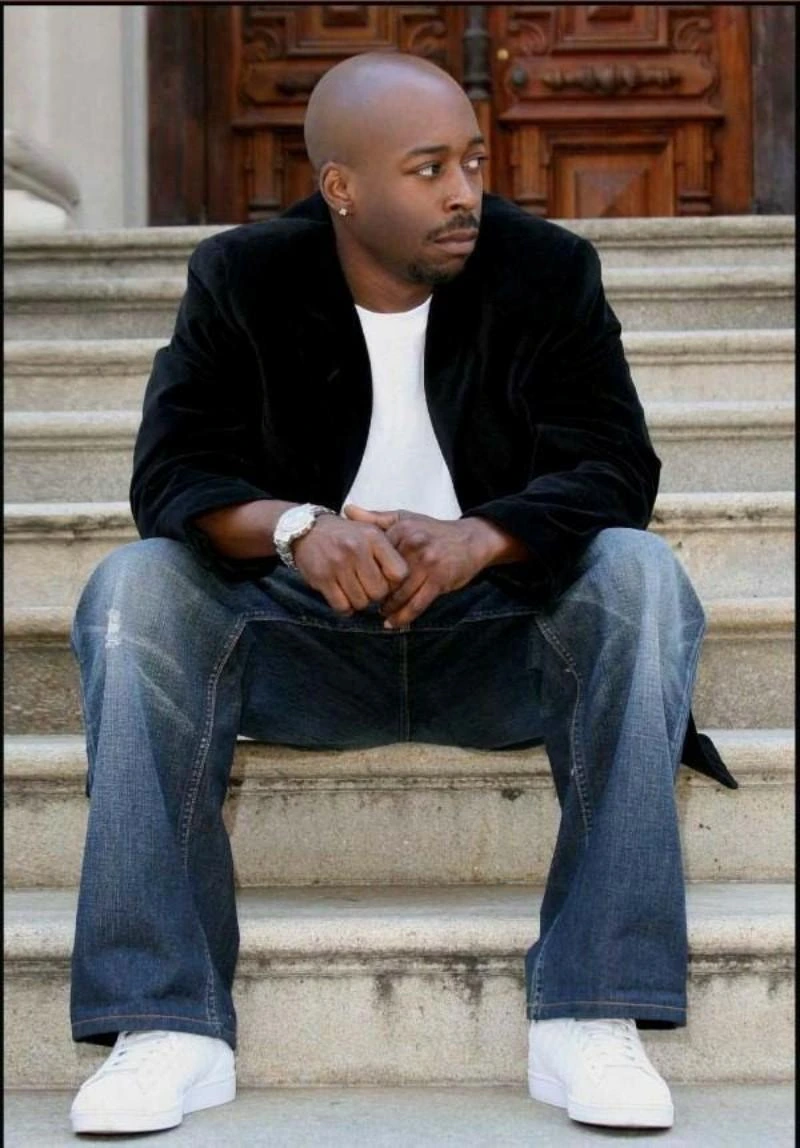
Who Is Smooth the Hustla?

Smoothe Da Hustler is a Brooklyn rapper whose real name is Damon Smith. He came up in Brownsville, one of the toughest neighborhoods in New York City, and broke through in 1995 with "Broken Language" featuring his younger brother Trigga tha Gambler (also known as Trigger The Gambler). That track became a genuine underground classic and helped launch his debut album "Once Upon a Time in America" on Profile Records in 1996. The album peaked at No. 11 on the Billboard 200, which is a legitimate commercial achievement for a street-rap record from that era. His singles "Broken Language/Hustlin'" and "Hustler's Theme" collectively spent 24 weeks on the Billboard Top R&B/Hip Hop Albums charts, showing he had real chart staying power, not just a one-week spike. Shazam’s track page for “Hustlin’” lists the song associated with Smoothe Da Hustler, which helps confirm track-level catalog existence.
After his Profile Records run, he moved through a period tied to Def Jam, where he wrote for various artists and contributed to soundtrack work, including tracks like "My Crew Can't Go For That" and "Game Face." Wikipedia also credits him with work connected to Dr. Dre's long-shelved "Detox" project. By 2002, he stepped away from major label deals entirely and launched SMG Records (later SMG Entertainment) to own his music outright. That independence is a critical piece of the financial picture. He has continued releasing music on his own terms, with projects including "Violenttimes Day" (2008), "Violenttimes Day 2" (2016), and "Full Time Hustle" (2017). His debut album recently hit its 30th anniversary, earning fresh critical attention from outlets like Albumism, which tells you his legacy still has cultural currency even if mainstream chart activity is behind him.
His Estimated Net Worth Right Now
The honest answer is that no verified, publicly disclosed financial figure exists for Smoothe Da Hustler. What we have is a set of data points: his career earnings from the mid-1990s through today, his independent label operation, his publishing catalog, and the limited commercial scale of his post-2002 releases. Factoring all of that in, the $1M to $3M range represents a reasonable estimate for 2026 with moderate-to-low confidence. If you are looking specifically for what these numbers add up to, most credible sources place his net worth in the $1 million to $3 million range for 2026 estimated net worth. The low end accounts for the reality that mid-tier 1990s hip hop deals on Profile Records were not massive by industry standards, and independent label operations at his scale generate modest revenue. The high end reflects the possibility that his catalog royalties, publishing rights, and any private business income are more substantial than what's publicly visible.
| Estimate Source | Claimed Net Worth | Confidence Level | Methodology Visible? |
|---|---|---|---|
| Luxlux (celebrity wiki) | $6 million | Very Low | No |
| VipFAQ (aggregator) | Not disclosed | Very Low | No |
| This analysis (2026) | $1M to $3M | Moderate | Yes (see below) |
One clear trap to avoid: some searches for "Smooth the Hustla net worth" will surface results about entirely different people. CelebrityNetWorth, for example, has pages for dozens of figures with similar-sounding names. Always confirm you are reading about Damon Smith from Brownsville, Brooklyn, and not a content farm that has blended identities.
How He Makes Money

Like most hip hop artists from his generation who stayed independent, Smoothe Da Hustler's income is spread across several streams rather than dominated by any single source. Here's how those likely break down:
- Catalog royalties: "Broken Language" is his biggest ongoing earner. The track has real staying power in hip hop history playlists, mixtape compilations, and streaming catalogs. WhoSampled shows it has an active sampling and credits trail, which means publishing royalties continue to flow whenever it's licensed or streamed.
- SMG Records / SMG Entertainment: As the founder and operator of his own label and entertainment company, he captures a larger share of revenue from his releases than he would have under a major label deal. The tradeoff is lower distribution reach and marketing spend.
- Streaming income: His catalog is available on Apple Music and other major platforms. At his streaming volume, this is likely a supplemental income stream rather than a primary one, but it is consistent and passive.
- Touring and live performances: The "Repossession: SMG" project turned into a U.S. tour, and artists at this career stage regularly monetize nostalgia bookings at hip hop festivals, college shows, and regional events. These are typically mid-range paydays rather than arena-level guarantees.
- Songwriting and features: His Def Jam-era work writing for other artists and contributing to soundtracks generates publishing royalties through performance rights organizations. Any tracks tied to commercially successful projects, even ones he did not front, continue to earn.
- Merch and direct-to-fan sales: Independent artists at this tier increasingly use direct channels, and Smoothe Da Hustler's brand identity is strong enough to support merch sales at shows and online.
- Brand and media appearances: The 30th anniversary of "Once Upon a Time in America" renewed press interest in 2026, which can translate into paid interview appearances, documentary features, and licensing opportunities.
Where the Money Sits: Assets vs. Cashflow vs. Costs
Net worth and cashflow are two different things, and this distinction matters a lot for artists like Smoothe Da Hustler. His net worth is primarily a reflection of accumulated assets, most notably his music catalog and the equity in SMG Entertainment, rather than high current cashflow. Here is a rough breakdown of how to think about the wealth picture:
| Category | Likely Role | Notes |
|---|---|---|
| Music catalog ("Broken Language," debut LP, full discography) | Core asset | Publishing and master rights are the most durable store of value for an independent artist |
| SMG Records / SMG Entertainment | Business equity | Value depends on active releases, contracts, and revenue; hard to value without financials |
| Streaming and royalty income | Recurring cashflow | Passive but modest at current streaming volume for his catalog tier |
| Live performance income | Periodic cashflow | Strongest during anniversary cycles and nostalgia festival seasons |
| Taxes | Major cost | Federal and state tax obligations significantly reduce gross income |
| Production and recording costs | Ongoing cost | Independent label means he absorbs recording, mastering, and distribution costs |
| Management and legal fees | Ongoing cost | Industry standard is 15-20% of gross income for management alone |
| Personal lifestyle and real estate | Unknown | No public property records surface in research; could be a significant asset or liability |
The bottom line on the wealth structure: his most durable financial asset is the intellectual property in his catalog, particularly "Broken Language" and the "Once Upon a Time in America" album. If he retained master rights when he founded SMG Records, those assets appreciate in value as streaming normalizes catalog listening. If any of that catalog was signed away under the Profile Records deal, his royalty position is weaker. This is the kind of detail that is not publicly visible but has a huge impact on real net worth.
How His Wealth Has Shifted Over the Years

Looking at his career as a financial timeline helps make sense of the current estimate. The 1990s hip hop label economy was not kind to most artists in terms of wealth building. Profile Records deals from that era typically came with significant label advances that were recouped against royalties, meaning artists often saw little backend income even from successful albums. A No. 11 debut on the Billboard 200 is impressive, but it did not automatically translate into lasting wealth for the artist.
- 1995-1996 (Breakthrough): "Broken Language" and "Once Upon a Time in America" generate advance income and performance fees, but label recoupment likely absorbs much of the royalty income. Highest public profile period, strongest live booking rates.
- 1997-2001 (Def Jam era): Songwriting and soundtrack work provides income, with some publishing upside if deals were structured favorably. Lower public profile but consistent industry presence.
- 2002 (SMG Records launch): A pivotal wealth-building decision. Taking creative and commercial control means higher per-unit margins on future releases, even if total volume is lower. This is the moment his wealth trajectory diverged from peers who stayed on majors.
- 2008 ("Violenttimes Day"): Independent release. Revenue stays within SMG's ecosystem. Smaller commercial footprint than 1996, but better margin structure.
- 2014-2017 ("Full Time Hustle" era): Continued independent output; streaming begins to matter as a royalty source. Catalog from the 1990s starts generating consistent digital revenue for the first time.
- 2024-2026 (Anniversary cycle): The 30th anniversary of the debut album generates renewed press, licensing opportunities, and nostalgia bookings. This is a real, if modest, wealth inflection point for catalog artists.
How Net Worth Estimates Are Actually Built
When you see a net worth figure for someone like Smoothe Da Hustler on a celebrity site, it is almost never based on a tax return or financial disclosure. There are no SEC filings for private individuals, and hip hop artists at this tier rarely make public statements about their finances with specificity. What trackers actually use, when they are doing it responsibly, is a combination of proxy signals. Estimates like the ones you see for the Kinahan cartel are also usually built from similar proxy signals rather than direct financial reporting kinahan cartel net worth.
- Chart performance as an earnings proxy: Billboard chart positions, weeks on chart, and certified sales (RIAA data) can be used to estimate album revenue within known industry margin ranges for a given era and label type.
- Streaming metadata: Track presence on Apple Music, Spotify, and Shazam, combined with genre benchmarks for per-stream rates, gives a rough floor for current streaming income. MusicBrainz and WhoSampled can confirm catalog depth.
- Touring and booking estimates: Industry rate cards for artists of comparable career status and booking tier give a reasonable range for live income during active periods.
- Business entity disclosures: SMG Records / SMG Entertainment as a named entity could in theory surface in state business filings, giving some structural visibility. This is rarely exploited by celebrity net worth sites but is available to researchers.
- Interview and press statements: Artists sometimes disclose deal structures, ownership stakes, or income philosophy in interviews. Smoothe Da Hustler's documented statements about founding SMG to retain full authority over his music are exactly this kind of useful signal.
- Comparables: Artists with similar career arcs, label histories, and post-peak trajectories provide a benchmark range for what is plausible.
The single-number claims you see on aggregator sites like Luxlux ($6 million) or VipFAQ are typically not built from this kind of work. They are often generated algorithmically or copied from other sites without verification. The $6 million figure for Smoothe Da Hustler in particular has no visible sourcing and is almost certainly borrowed from a misidentified or fabricated entry.
Keeping Up with Updates and Avoiding Bad Info
If you want to track Smoothe Da Hustler's net worth over time or check whether an estimate has changed, the most reliable approach is to follow his actual career activity rather than celebrity net worth sites. For related context on hype-driven income streams, you can also look at how the Hustle Gang net worth is estimated and what sources typically get cited. New releases, tour announcements, business news around SMG Entertainment, and press coverage tied to catalog milestones are the real signals. When those increase, net worth estimates should logically adjust upward. When he goes quiet, the estimate drifts on catalog income alone.
- Check his official artist pages on Apple Music and streaming platforms for new release activity, which is the fastest indicator of active income periods.
- Search his name in Google News filtered to the past year to catch any business announcements, interview disclosures, or tour dates.
- Verify identity first: confirm you are reading about Damon Smith from Brownsville, Brooklyn, before accepting any net worth claim. Keyword variants like "Smooth the Hustla" versus "Smoothe Da Hustler" can pull up different, sometimes unrelated results.
- Treat any site with a confident single number and no explanation of methodology with serious skepticism. Credible estimates come with ranges and caveats, not clean round numbers.
- Cross-reference against what you know about his career stage: a rapper who has been independent since 2002, released music periodically, and operates a small entertainment company is realistically in the single-digit millions range at most, not the tens of millions territory.
- For streaming royalties specifically, you can check platforms like Chartmetric or Spotify for Artists data (if he shares it publicly) to get a rough sense of catalog velocity.
It is also worth knowing that net worth in this context means total estimated assets minus liabilities, not annual income. An artist can have a multi-million dollar catalog on paper while generating relatively modest annual cashflow. That distinction matters when you are trying to understand whether someone like Smoothe Da Hustler is genuinely wealthy in a day-to-day financial sense versus having accumulated value through smart ownership of intellectual property over decades. For artists who made the leap to independence, like he did in 2002, the catalog ownership story is almost always the most important financial variable in the long run. Artists like Nipsey Hussle built their legacy wealth on exactly this kind of ownership philosophy, and Smoothe Da Hustler's early move to found SMG Records places him in a similar school of thinking, even if at a different commercial scale. If you are also looking at Nipsey Hussle net worth, the same catalog and ownership factors are usually the key drivers behind the estimates.
FAQ
Is “smooth the hustla net worth” the same person as “Smoothe Da Hustler,” Damon Smith?
Not always, similar names show up in net-worth aggregators. Confirm the person is Damon Smith from Brownsville, Brooklyn, and cross-check with his 1995 debut breakthrough, “Broken Language,” before trusting any dollar figure.
Why do some websites list a much higher number like $6 million?
Those single-number claims are often copied, algorithmically generated, or based on misidentification. Unless the site shows a clear methodology tied to verifiable signals, treat it as unreliable and focus on career scale and catalog ownership instead.
Does net worth mean how much he earns per year?
No, net worth is estimated assets minus liabilities. An artist can have a valuable catalog and still have modest annual cashflow, especially if most value is tied up in publishing, masters, and business equity rather than ongoing touring.
How much do catalog royalties and master ownership affect the estimate?
They can dominate the long-term picture. If he retained master rights when he founded SMG Records, streaming royalties from older releases can compound for years, which pushes net-worth estimates higher even if recent streaming performance is limited.
What if his Profile Records contract required him to recoup advances?
That was common in the 1990s, and it often delays or reduces backend income. Recoupment means a successful chart showing does not automatically translate into wealth for the artist during the contract term.
How should I interpret the $1M to $3M range for 2024 to 2026?
It is a broad confidence band, not a precision number. The estimate is most sensitive to whether his catalog rights were retained versus assigned, and to any business income from SMG Entertainment, which is not fully public.
What are the most useful “signals” that could move his net worth estimate up or down?
Watch for catalog-related developments, such as reissues, licensing deals, film or soundtrack placements, and credible business news about SMG Entertainment. New ownership or partnership announcements typically matter more than general hype.
Is it safe to use celebrity net worth numbers as a baseline for planning or investing?
No. Treat them as entertainment, not financial-grade analysis, because they rarely rely on verified disclosures. If you are making decisions based on financial assumptions, use primary sources like business filings or documented deals where available.
How can I tell whether an estimate is updating over time for the right artist?
Compare the biography details included with the estimate. If the page mixes in credits or life facts from a different person, the net-worth number is likely attached to the wrong identity.
Why is it hard to verify net worth for artists like him?
Because private individuals do not publish audited statements, and there are no SEC filings for most cases. Most estimates depend on proxy inputs like catalog value, career activity, and general industry deal structures, which leaves room for error.