
DJ Mustard (real name Dijon Isaiah McFarlane, now professionally known simply as Mustard) has an estimated net worth of around $40 million as of June 2026. That figure comes primarily from Celebrity Net Worth, one of the more consistently cited sources for hip-hop producer wealth. Given his production fees on dozens of charted singles, Grammy-winning songwriting credits, publishing royalties, label ventures, and his continued relevance with a #1 hit as recently as 2024, that $40 million ballpark is credible, though the honest range sits somewhere between $30 million and $50 million depending on how you value his publishing catalog and business assets.
Mustard on the Beat Net Worth: 2026 Estimate and Breakdown

Marcus Holloway
3 Jun 2026
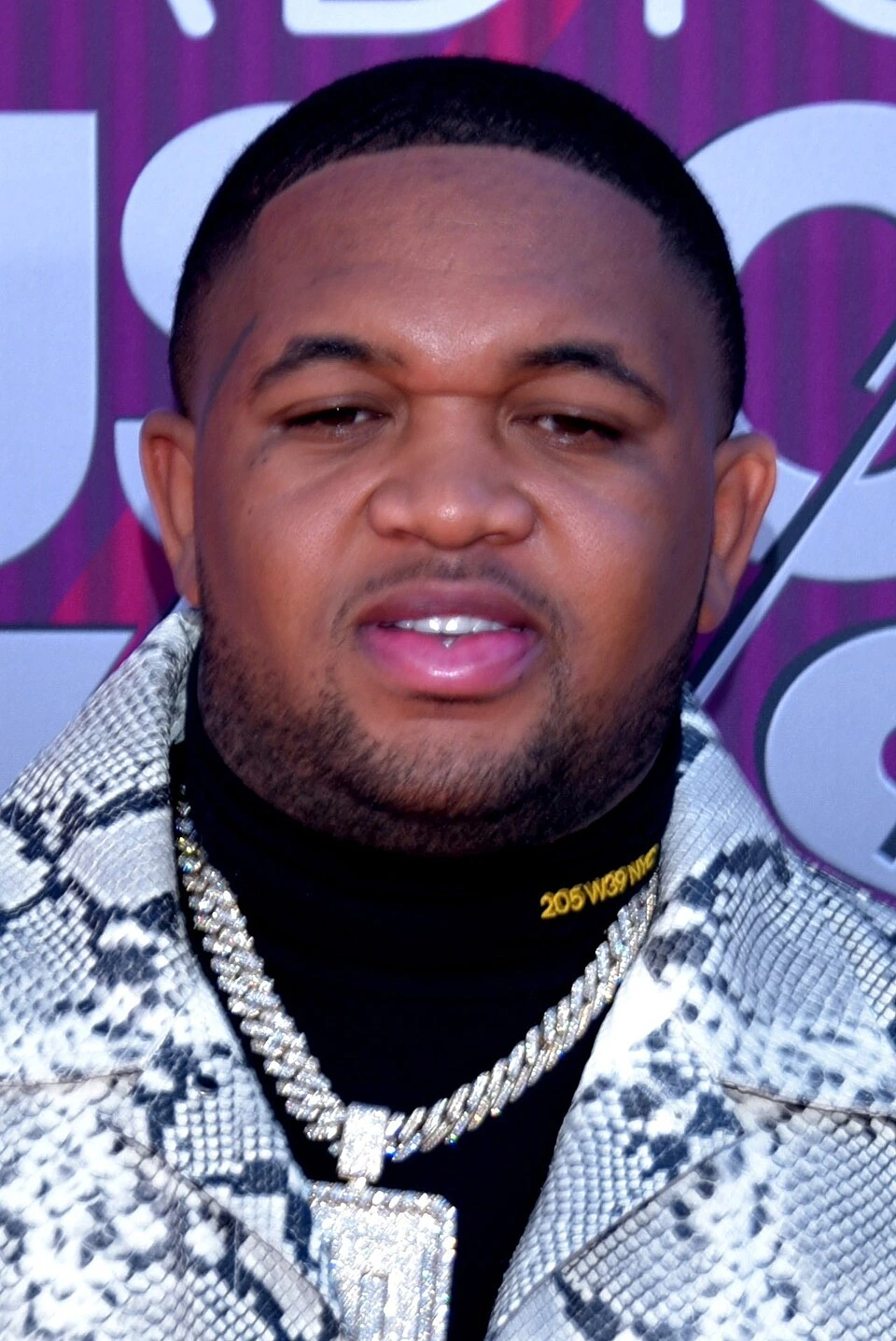
Who Mustard Is and What "Mustard on the Beat" Actually Means

Mustard grew up in Los Angeles and started making beats in the early 2010s, building a reputation for the sparse, West Coast rhythm-heavy sound that defined radio rap for much of that decade. His calling card, the producer tag "Mustard on the beat, ho," became one of the most recognized audio signatures in hip-hop, appearing on Tyga's "Rack City," Kid Ink's "Show Me," and eventually dozens more.
WNYC noted he had 19 different Billboard Hot 100 hits across just a three-year stretch, and GQ tied the tag to at least 17 Billboard Top 100 singles. The tag itself even became a minor legal flashpoint in 2014 when a dispute surfaced over whether Mustard owed YG (who allegedly created the tag phrase) any compensation, a reminder that even a producer's verbal signature can carry real financial stakes.
When you search "Mustard on the Beat net worth," you're asking about this one person: Dijon McFarlane. Worth noting is that searches can pull up unrelated entities like "Mustard Plays" (a separate creator tracked on sites like NetWorthSpot), so always confirm you're looking at the music producer from LA, not a gaming or content channel with a similar name. For a clear look at murda beatz net worth, focus on the producer’s most recent reported earnings and the specific credit work that drives royalties. NetWorthSpot also notes that it uses a separate “Mustard Plays” page for a different entity, which is why net worth searches for “mustard” can return non-matching numbers blank" rel="noopener noreferrer">“Mustard Plays” (a separate creator tracked on sites like NetWorthSpot).
Mustard on the Beat Net Worth Estimates Today
The most widely cited estimate is $40 million from Celebrity Net Worth. If you are specifically looking for the buddah bless this beat net worth style breakdowns, $40 million is the commonly repeated starting point that most estimates converge on. NetWorthSpot maintains a separate page titled "Mustard Net Worth & Earnings (2026)" updated as recently as May 1, 2026, though its exact figure wasn't captured in publicly available snippets at the time of this writing. Given the trajectory of his career and the recency of major income events (including "Not Like Us" in 2024), it's reasonable to assume any credible 2026 update puts him at or above the $40 million mark. Here's how to think about the range:
| Estimate Source | Estimated Net Worth | Last Known Update | Confidence Level |
|---|---|---|---|
| Celebrity Net Worth | $40 million | Not publicly dated | High (widely cited, conservative methodology) |
| NetWorthSpot | Not confirmed in snippet | May 1, 2026 | Medium (update is recent, figure unconfirmed) |
| Reasonable floor (conservative) | ~$30 million | Analyst estimate | Based on verified income events only |
| Reasonable ceiling (optimistic) | ~$50 million | Analyst estimate | Includes publishing catalog and business valuations |
The $40 million number is the anchor. It's not a magic figure, but it's the most repeated, and it aligns logically with his documented income history. The lower bound of $30 million applies if you assume conservative publishing valuations and subtract liabilities we don't have visibility into. The upper end of $50 million applies if his publishing catalog, label equity, and real estate are valued at their higher end. For most practical purposes, $40 million is where the evidence points.
How Mustard Makes His Money
Mustard's wealth comes from several distinct income streams that have compounded over about 15 years of work. Unlike rappers whose income is more front-loaded toward album cycles, a hit producer collects money continuously from the same records for decades. Here's how his major income channels break down.
Production Fees
A-list producers charge anywhere from $10,000 to well over $100,000 per beat placement, and that's before backend royalties. Mustard has produced for Kendrick Lamar, Rihanna, YG, Tyga, Roddy Ricch, Ella Mai, and dozens more. During his peak run in the early-to-mid 2010s, he was reportedly placing beats at a pace that put him among the busiest producers in the industry. Even at conservative estimates, consistent placements across that many major releases translate to millions in upfront fees over a career.
Songwriting and Publishing Royalties
This is probably the most durable part of Mustard's wealth. When a producer also receives a songwriting credit, they're entitled to publishing royalties every time a song is played on radio, streamed, licensed for TV/film, or used in commercials. Mustard holds writing credits on massive records, most notably Ella Mai's "Boo'd Up," which won Best R&B Song at the 61st Grammy Awards and continues to generate royalties. Publishing royalties from a Grammy-winning, frequently streamed R&B record accumulate over years and decades, not just the initial release cycle.
Streaming Income

Modern streaming has changed how producers get paid. Mustard's catalog includes songs with hundreds of millions of streams across Spotify, Apple Music, YouTube, and other platforms. His share comes through both his master recording interest (where applicable) and his publishing/songwriter royalties on the compositions. "Not Like Us" alone, as a #1 hit, would generate substantial streaming revenue over its lifecycle.
Label Ventures and Business Ownership
Mustard launched his own blank" rel="noopener noreferrer">10 Summers Records label, and The FADER noted that his "10 Summers: The Mixtape Vol. 1" was the inaugural release on that imprint. Running a label means capturing a larger share of revenue from artists he develops, rather than just collecting producer fees. His debut album "10 Summers" (2014) was released through Republic Records and Roc Nation, and his third studio album "Perfect Ten" (2019) came through Interscope. His 2024 album "Faith of a Mustard Seed" marked a new chapter under BMG after his Interscope deal ended, giving him potentially more favorable terms and greater ownership as an established artist.
The Big Career Milestones That Built the Wealth
Mustard's financial story follows a clear arc: early mainstream explosion, peak production run, Grammy validation, and then a second wave of relevance. Each phase added meaningfully to his net worth.
- 2012 to 2014 breakout: "Rack City" (Tyga), "Show Me" (Kid Ink), and a flood of West Coast rap hits established his sound and command of production fees. This era put him on the radar of major labels.
- 2014 debut album and label deal: "10 Summers" (August 2014) via Republic Records and Roc Nation was his formal entry as an artist, not just a producer for hire. The Reservoir Media exclusive Google Play drop was an early signal of his marketing savvy.
- 2019 Grammy win for "Boo'd Up": Co-writing Ella Mai's "Boo'd Up" and winning Best R&B Song at the 61st Grammy Awards was transformational. Grammy-winning songs command better sync licensing rates, higher publishing advances, and long-term royalty income.
- 2019 to 2020 "Ballin'" with Roddy Ricch: "Ballin'" reached #1 on Billboard's Rhythmic Songs chart, Mustard's second chart-topper on that format, adding another long-lived royalty stream.
- 2024 "Not Like Us" (Kendrick Lamar): Producing the #1 Billboard Hot 100 single debuting the week of May 18, 2024 is the kind of career milestone that resets a producer's market rate and drives massive streaming revenue. This is also one of the most culturally significant hip-hop records in recent memory.
- 2024 BMG deal for "Faith of a Mustard Seed": Moving to BMG after Interscope likely came with better ownership and creative terms, reflecting his leverage as an established, Grammy-winning, chart-topping producer.
Wealth Breakdown: What We Know vs. What's Estimated
Producer wealth is notoriously hard to break down publicly because most of it sits in private business entities, publishing deals, and real estate, none of which require public disclosure. Here's how to think about what's known versus what's genuinely estimated.
| Asset / Income Category | Status | Notes |
|---|---|---|
| Music production fees (career total) | Estimated | Hundreds of placements at major-artist rates over 15 years; no public figure |
| Publishing royalties ("Boo'd Up," others) | Verified (credits confirmed) | Grammy-winning songs command premium sync and streaming royalty rates; ongoing |
| 10 Summers Records label equity | Partially known | Label exists; artist roster and revenue not publicly disclosed |
| BMG deal ("Faith of a Mustard Seed") | Confirmed (deal announced June 2024) | Terms not public; BMG partnership typically artist-favorable for established acts |
| Real estate / property | Unknown / estimated | No verified public filings; lifestyle indicators suggest LA-area property ownership |
| Vehicles and lifestyle assets | Publicly visible (social media) | Social content shows luxury vehicles and lifestyle; no valuation confirmed |
| Streaming income (catalog) | Estimated | Based on public stream counts; per-stream rates vary by platform and deal structure |
| Sync licensing income | Estimated | Grammy-winning songs attract TV/film/ad placements; amounts not disclosed publicly |
The honest reality is that a large portion of Mustard's wealth is in his publishing catalog, which is a private asset. Publishing catalogs for producers of his tier are frequently valued at 10 to 20 times annual royalty earnings, meaning if his catalog earns even $1 million a year in royalties (a conservative figure for his output), it could be valued at $10 million to $20 million on its own. That single asset class could account for a significant slice of his overall net worth and is almost entirely invisible in public reporting.
Why Net Worth Numbers Vary and How They're Actually Calculated

If you've searched Mustard's net worth, you've probably seen different numbers on different sites. For a closer look at the Hodgy Beats net worth figure people cite online, use the same approach and compare multiple sources. That's not anyone being dishonest, it's a structural problem with how celebrity wealth is estimated. Here's exactly why the numbers diverge.
- No public filings: Mustard is not a publicly traded company. Unless he has equity in a public entity or files with the SEC, there are no mandatory financial disclosures to pull from.
- Different valuation methodologies: Some sites estimate wealth by extrapolating from streaming royalties and production fee norms. Others use reported deal values and news coverage. These approaches can produce very different results.
- Timing of updates: A site that last updated in 2021 will miss the income from "Not Like Us," the BMG deal, and any intervening business moves. Always check when a figure was last updated.
- Asset vs. net worth confusion: Gross assets (everything he owns) are not the same as net worth (assets minus liabilities). Sites that don't account for mortgages, business debt, or tax obligations will overstate the number.
- Publishing catalog ambiguity: If a site doesn't try to value his publishing catalog, it may dramatically undercount his wealth. If it over-values it, the number inflates. This is the single biggest variable.
- Search disambiguation errors: As noted earlier, searches for "Mustard" on NetWorthSpot can surface a separate "Mustard Plays" page. Always confirm the subject is Dijon McFarlane, the music producer, before trusting a figure.
The $40 million figure from Celebrity Net Worth is the most cited because that site has been tracking hip-hop producer wealth for years and applies a relatively consistent (if imprecise) methodology. It's a useful anchor, not a certified balance sheet. Other producer wealth comparisons, like those you might find when looking at contemporaries such as Murda Beatz or producers like Sez on the Beat, show a similar pattern: the figures are directionally useful but rarely precise to the dollar.
This same net-worth chatter around hip-hop producers is also why people search Murda B net worth when comparing modern beatmakers. For comparisons, Murda Beatz net worth is often estimated in a similar range of methodology, combining production fees with publishing and catalog value.
How to Actually Verify Mustard's Net Worth Today
If you want the most current, credible picture of Mustard's wealth rather than taking any single number at face value, here's how to approach it practically.
- Start with Celebrity Net Worth and check the 'last updated' date. Their $40 million figure is the baseline. If it hasn't been updated since before 2024, it's missing at least the "Not Like Us" income cycle.
- Check NetWorthSpot's Mustard page (confirmed updated May 1, 2026) and compare the figure they show against Celebrity Net Worth. If both land near $40 million, that's meaningful agreement.
- Search for recent interview coverage. Mustard has done press around the BMG deal and "Faith of a Mustard Seed." Producers sometimes reference deal structures or business moves in interviews that give clues about their financial position.
- Look for publishing deal news. If Mustard has sold or refinanced his publishing catalog (a common move for producers cashing out), it would be major news in music industry trade outlets like Billboard, Variety, or Hits Daily Double.
- Monitor Grammy and chart recognition. Awards and chart peaks are public signals of catalog value. Another #1 or major award nomination increases the royalty premium on his existing catalog.
- Check BMG's press releases and artist roster updates. Label deal announcements sometimes include advance figures or revenue sharing terms that can help triangulate wealth.
- Use ASCAP or BMI's public databases to confirm songwriting credits. This won't give you royalty amounts, but it confirms which songs he holds writing shares on, letting you estimate the royalty-generating size of his catalog.
- Cross-reference with reputable financial journalism. If Forbes, Bloomberg, or major music trade outlets have covered Mustard's finances, those reports will be more rigorously sourced than aggregator sites.
The bottom line: treat any single net worth figure as a starting point, not a conclusion. Mustard's wealth is real, documented through multiple high-profile income events, and likely in the $30 million to $50 million range as of June 2026, with $40 million being the most defensible single estimate. His trajectory since the "Not Like Us" breakout and the BMG deal suggests the number is moving upward, not down.
FAQ
What’s the difference between Mustard’s net worth and his annual income from producing?
Net worth is a snapshot of accumulated assets minus debts, it can include long-term catalog value, label stakes, and investments. Annual producing income is more about yearly placements, tour or album-related bonuses, and short-term licensing activity, which can fluctuate even if net worth stays stable.
Do producer tags like “Mustard on the beat, ho” generate direct money for Mustard?
They can, but it depends on rights and agreements. If the tag is tied to a licensing or trademark or is protected through publishing and usage permissions, it may create royalties or licensing fees. If it was only a marketing signature without secured rights, the financial impact is more indirect through brand recognition.
How much of his wealth is likely tied to publishing versus production fees?
Publishing typically makes up a larger long-term share for top-tier songwriters because it pays continuously for performances, streams, and sync uses. Production fees are usually front-loaded around each placement, so they matter a lot early, but catalog royalties often become the durable core as the number of recorded hits grows.
Why do net worth sites sometimes show wildly different numbers for Mustard?
Because they often estimate private assets using assumptions about royalty rates, catalog ownership splits, and deal terms that are not public. Small changes in assumed publishing earnings or ownership percentage can move the valuation by tens of millions, even when the underlying career facts are the same.
Is there a way to sanity-check the “$40 million” figure without relying on one website?
Yes, look for consistency across multiple streams: (1) count the number of verified major placements, (2) identify which songs have long tail performance (especially Grammy-winning and high-stream tracks), and (3) estimate catalog value using a range of royalty multiples (often 10 to 20 times annual royalties for top catalogs). If those inputs point to roughly the same ballpark, the estimate is more believable.
If “Not Like Us” was a huge hit, does that instantly boost net worth?
Not instantly in the way people imagine. The hit increases royalty earnings quickly, but net worth valuation usually reflects the longer-term expected cash flows and may update gradually. Also, who owns the publishing and masters determines how much of that hit’s value shows up in Mustard’s personal net worth.
Does his label, 10 Summers Records, mean he earns more than a producer who only takes beat fees?
Often yes, because label equity can share in revenue from artist recordings, advances recoupment, and marketing budgets. However, label income can also be volatile due to recoupment terms, cash burn, and uneven artist performance, so it’s not guaranteed to outperform pure producer crediting.
Could his net worth be lower than $30 million due to liabilities or deal costs?
It’s possible. Net worth estimates rarely model liabilities precisely, such as tax obligations, debts, legal settlements, or losses from underperforming investments. If he had meaningful liabilities or sold portions of his catalog at lower valuations than assumed, it could pull results below the typical range.
How can I confirm I’m looking at the right “Mustard on the Beat” person?
Cross-check by real name and career context. The LA producer Dijon McFarlane is tied to the specific tag and mainstream West Coast hits. If results mention gaming channels, unrelated creators, or a different “Mustard” with a different body of work, the net worth comparison is likely mismatched.
When should I treat the net worth number as outdated or unreliable?
Treat it as less reliable if the site hasn’t updated in a long time, if it doesn’t explain methodology, or if it’s presented as exact rather than estimated. For rapidly moving royalty catalogs, a stale number can lag behind new licensing or streaming surges.